






How Do The Quran And Sharia Guide Muslims?

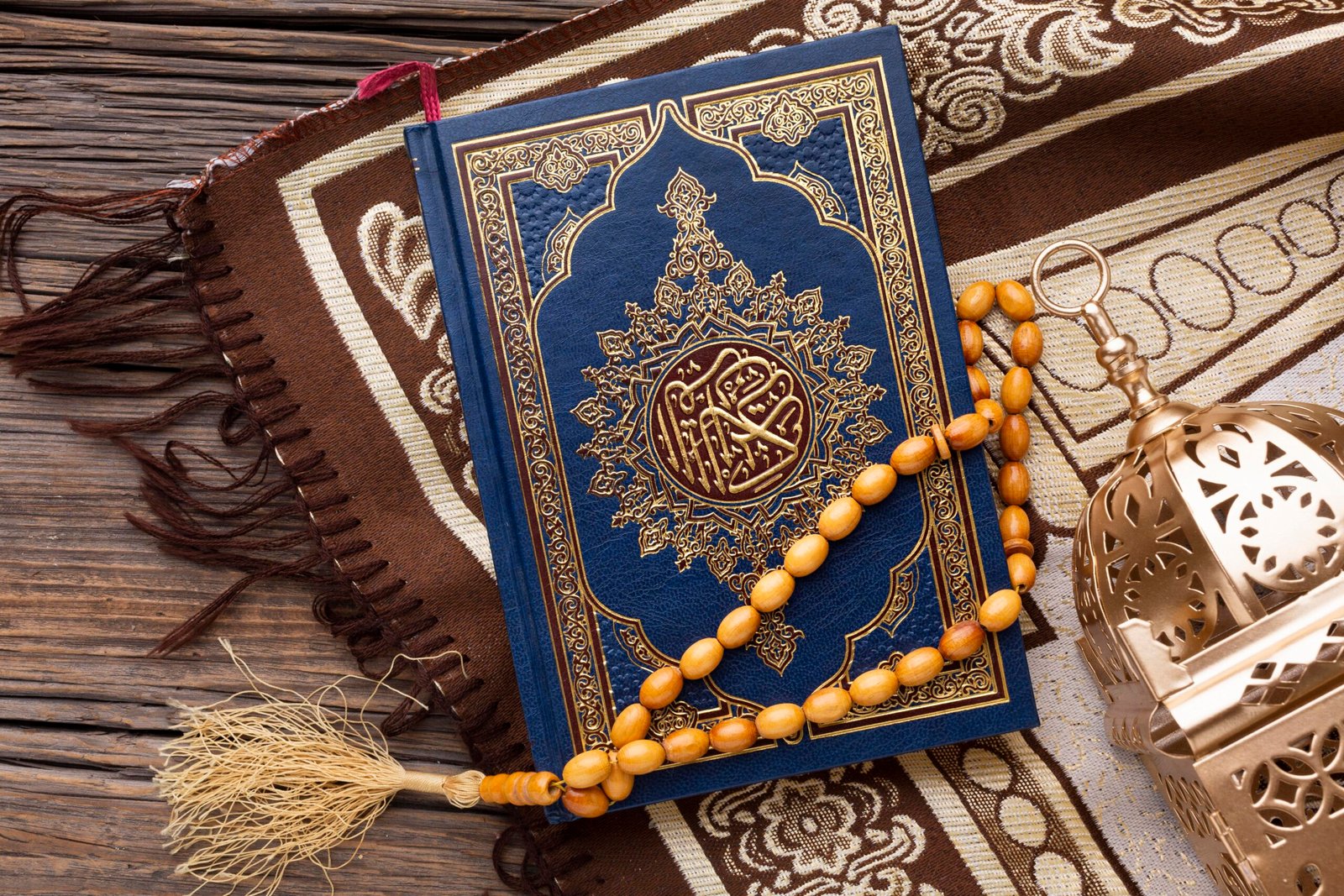
Quran And Sharia Guide
The Quran and Sharia guide Muslims in beliefs, worship, and daily life. They work together as a complete system of guidance for Muslims. Both shape a Muslim’s faith, daily life, moral decisions, and relationship with Allah. While the Quran is the direct word of Allah, Sharia is the practical roadmap built from the Quran and the Sunnah. Together, they help Muslims live a life that is balanced, purposeful, and pleasing to Allah.
In the article, we will discuss in detail how the Quran and Sharia guide Muslims.
How Does the Quran Guide Muslims?
The Quran is the main source of guidance for all Muslims. It explains what to believe, how to worship, how to behave, and how to live a meaningful life. Muslims see it not just as a book, but as a complete pamphlet for life given by Allah. The Quran provides guidance to Muslims in all aspects of life, from beliefs to living their daily life. Upon following the universal principles of the Quran, a Muslim can lead a purposeful life. Here is how the holy Quran guides the Muslims with its teachings.
Guidance in Faith (Beliefs of Aqeedah)
The Quran guides Muslims by answering the biggest and most basic questions of life, i.e.
Who created us?
“And indeed, We created humankind from an extract of clay,”(A-Quran-23:12).
Why are we here?
“I did not create jinn and humans except to worship Me.” (Al-Quran 51:56)
What happens after death?
“How can you deny Allah? You were lifeless and He gave you life, then He will cause you to die and again bring you to life, and then to Him you will ˹all˺ be returned.” (Al-Quran 2:28)
What must a Muslim believe to live with purpose?
“Righteousness is not in turning your faces towards the east or the west. Rather, the righteous are those who believe in Allah, the Last Day, the angels, the Books, and the prophets; who give charity out of their cherished wealth to relatives, orphans, the poor, ˹needy˺ travellers, beggars, and for freeing captives; who establish prayer, pay alms-tax, and keep the pledges they make; and who are patient in times of suffering, adversity, and in ˹the heat of˺ battle. It is they who are true ˹in faith˺, and it is they who are mindful ˹of Allah˺.” (Al-Quran 2:177)
In this verse, the Quran teaches Muslims to believe in:
- One God (Allah)
- Angels
- Prophets
- Revealed Books
- Day of Judgment
- Heaven and Hell
- Destiny (Qadr)
Guidance in Worship
The Quran clearly explains all major acts of worship, why they are important, and how they benefit a person spiritually and morally.
Prayer (Salah)
The Quran teaches discipline, mindfulness, and constant connection with Allah through prayer.
“It is truly I. I am Allah! There is no god ˹worthy of worship˺ except Me. So worship Me ˹alone˺, and establish prayer for My remembrance.” (Al-Quran 20:14)
“Indeed, prayer prohibits immorality and wrongdoing, and the remembrance of Allah is greater. And Allah knows that which you do.” (Al-Quran 29:45).
Fasting (Sawm)
The Quran teaches that fasting builds self-control and empathy for the poor.
“O believers! Fasting is prescribed for you—as it was for those before you—so perhaps you will become mindful ˹of Allah˺.” (Al-Quran 2:183)
Charity (Zakat/Sadaqah)
The Quran teaches Muslims that charity purifies wealth and reduces greed.
“Take from their wealth ˹O Prophet˺ charity to purify and bless them, and pray for them,” (Al-Quran 9:103)
Hajj:
The Quran guides Muslims through Hajj on how to practice unity, equality, and submission to Allah.
“In it are clear signs and the standing-place of Abraham. Whoever enters it should be safe. Pilgrimage to this House is an obligation by Allah upon whoever is able among the people. And whoever disbelieves, then surely Allah is not in need of ˹any of His˺ creation.” (Al-Quran 3:97)
Guidance in Morality and Character (Akhlaq)
The Quranic teachings do not only focus on beliefs and worships but also guide Muslims to live with morality and character. It teaches:
- Kindness
- Honesty
- Patience
- Justice
- Courage
- Forgiveness
- Humility
- Respect
“Indeed, Allah commands justice, grace, as well as generosity to close relatives. He forbids indecency, wickedness, and aggression. He instructs you so perhaps you will be mindful.” (16:90)
Furthermore, the Quran strongly warns against:
- Lying
- Cheating
- Backbiting
- Pride
- Cruelty
- Corruption
“Woe to the defrauders! Those who take full measure ˹when they buy˺ from people, but give less when they measure or weigh for buyers. Do such people not think that they will be resurrected, for a tremendous Day. (Al-Quran 83:1-5)
Following these golden teachings of the Quran Muslims can turn into the best version of themselves i.e. good to others, calm in hardship, fair in all dealings, and sincere in intentions.
Guidance in Family Life
The Quran guides Muslims on how to build healthy relationships with their family members, i.e.
Be kind to parents
“For your Lord has decreed that you worship none but Him. And honor your parents. If one or both of them reach old age in your care, never say to them ˹even˺ ‘ugh,’ nor yell at them. Rather, address them respectfully.” (Al-Quran 17:23)
Treat spouses with love and mercy
“And one of His signs is that He created for you spouses from among yourselves so that you may find comfort in them. And He has placed between you compassion and mercy. Surely there are signs for people who reflect.” (Al-Quran 30:21).
Raise children with good values
“And ˹remember˺ when Luqmân said to his son, while advising him, “O my dear son! Never associate ˹anything˺ with Allah ˹in worship˺, for associating ˹others with Him˺ is truly the worst of all wrongs.” (Al-Quran 31:13)
Respect elders and support relatives
“Now if you ˹hypocrites˺ turn away, perhaps you would then spread corruption throughout the land and sever your ˹ties of˺ kinship!” (Al-Quran47:22)
Guidance in Law, Justice, and Society
The Quran is the foundation of Sharia, which is not just “law” but a complete ethical system that aims to maintain discipline in a Muslim society and protect family, faith, wealth, and dignity by imposing justice.
The Quran also defines rules about:
- Marriage and divorce
- Inheritance
- Business transactions
- Fair judgment
- Protection of rights
Sharia is built on Quranic values such as justice, mercy, and the prevention of harm. So through the Quran, Muslims know how to live responsibly and fairly in a community.
How Does Sharia Guide Muslims?
After the Quran provides the core beliefs and principles for leading a radiant life, Sharia turns those principles into practical guidance that shapes a Muslim’s daily life. Sharia guides Muslims on how to live according to the teachings of the Quran in real situations.
Here is how Sharia guides Muslims:
Sharia Teaches Muslims How to Worship Correctly
The Quran commands Muslims to pray, fast, give charity, and perform Hajj, but the holy Quran does not explain every detail. Therefore, Sharia provides the step-by-step rules:
- How to make wudu
- How to pray each prayer
- When to fast
- How to calculate zakat
- How to perform Hajj
Explaining all these points here will become very lengthy. However, if you want to know in detail how to offer prayer or how to fast, you must enroll in a Quran and Sharia learning course.
Sharia Provides Ethical Rules for Business
The Quran tells Muslims to be fair and honest while doing business. But, how to do it perfectly in daily life, Sharia guides Muslims and explains everything, for example:
- What business practices are allowed?
- What is forbidden (like fraud or interest)?
- How to create halal trade agreements
- How to avoid exploitation or injustice
This ensures that Muslims earn and spend money in a way that is ethical and responsible.
Sharia Protects Families and Social Life
Quran teaches how to live with your family. The family has a central value in Islam. Sharia provides guidance to maintain strong, loving, and just relationships. Furthermore, the Sharia regulates marriage, divorce, children’s rights, respect between spouses, fair inheritance, and the responsibilities of parents and guardians. These Sharia rules help ensure harmony, peace, and stability within the family and the wider society.
Sharia Helps Solve New Problems Using Islamic Principles
In today’s fast-paced era, not everything that happens in modern life is directly mentioned in the Quran.
Sharia helps Muslims apply Islamic values to new issues such as:
- Technology
- Banking
- Medical situations
- Digital communication
- Modern business contracts
Muslims scholars use tools like Qiyas (analogical reasoning) and Ijma (consensus) to give rulings that stay true to the Quran but remain practical and effective for today’s modern world.
How Do the Quran and Sharia Work Together?
The Quran is the primary source and foundation of guidance. Sharia is the structure built on that foundation. Let’s understand how the Quran and Sharia guide Muslims.
The table below shows the relation of the Quran and Sharia and how they both together shape the lives of Muslims while guiding them.
| Aspect | Role of the Quran | Role of Sharia |
| Beliefs | Teaches core faith (Tawheed, Prophets, Hereafter) | Provides rules for expressing faith in daily life |
| Worship | Commands prayer, fasting, zakat, hajj | Regulates how, when, and under what conditions worship is performed |
| Morality & Ethics | Teaches honesty, kindness, patience, humility | Provides legal and social rules to enforce ethical behavior |
| Family Life | Emphasizes respect, love, and responsibilities | Details marriage, divorce, inheritance, and guardianship rules |
| Justice & Society | Commands fairness, charity, and peace | Provides legal frameworks for courts, contracts, and social order |
| Punishment & Protection | Warns against sin, corruption, and harm | Sets limits and punishments to protect individuals and society |
Now, you know well that Quran provides the foundation and Sharia applies its principles in daily life, the next step for every Muslim is to learn how to study the Quran properly.
Quran Study Guide
A proper Quran study guide helps Muslims not only read the words of Allah but also understand their meaning, context, and practical application in daily life. By following a structured approach, you can appreciate the wisdom of the Quran, reflect on its teachings, and implement them correctly in all aspects of life.
Read the Quran with Translation
It is important to read the Quran slowly and thoughtfully. Understanding the meaning of each verse helps Muslims grasp the wisdom behind Allah’s guidance. Using a translation in your language along with the original Arabic can make this easier, especially for beginners. Nowadays, there are online Quran learningcourses and academies where you can easily enroll and learn the Quran with translation.
Learn the Context of Revelation
Many verses were revealed in specific situations. Knowing the context of revelation helps in understanding why a verse was revealed and how it applies to life today. Scholars’ explanations and tafseer books are very useful for this purpose. But, as a beginner, you can also learn Quran tafseer easily.
Memorize Gradually
Memorizing the Quran is a spiritual practice that strengthens faith and discipline. Starting with short chapters and building gradually allows the words of Allah to stay in memory and heart. Even memorizing a few verses daily can make a big difference over time. Furthermore, online Quran memorization courses can help you get the best results and memorize the Quran.
Apply the Quranic Teachings
The ultimate goal of studying the Quran is to act according to its guidance. Whether it is in worship, moral behavior, or family life, understanding without action is incomplete. Applying the Quran in real life ensures that its wisdom transforms the believer into a better person.
Seek Help from Tafsir and Scholars
For a deeper understanding, one can consult tafsir books and Islamic scholars. They explain difficult verses, provide historical context, and show practical ways to implement the teachings. You can consult the Islamic scholars in our academy, available 24/7 for your guidance.
Conclusion
Join our online Quran Academy today and start your journey of understanding, reflection, and application of the Quran in daily life. Learn at your own pace with guided lessons, tafseer explanations, memorization tips, and practical guidance for worship, ethics, and family life.
FAQs
What is the role of Islamic scholars (Ulama) in the interpretation of the Quran and Sharia?
Islamic scholars (Ulama) interpret the Quran and Sharia by explaining its teachings, resolving new issues, and guiding Muslims in applying divine laws correctly. They ensure that religious rulings remain relevant and faithful to Islamic principles.
What do Scholars (Ulama) study for interpretation?
The Islamic scholars study:
- Arabic grammar and linguistics
- Tafsir (Quran explanation)
- Hadith science
- Usul al-fiqh (principles of Islamic law)
- Maqasid al-sharia
- Fiqh rulings from early scholars
- Legal reasoning (qiyas)