





Register Now
Fill out this form to get a quote within 24 hours.


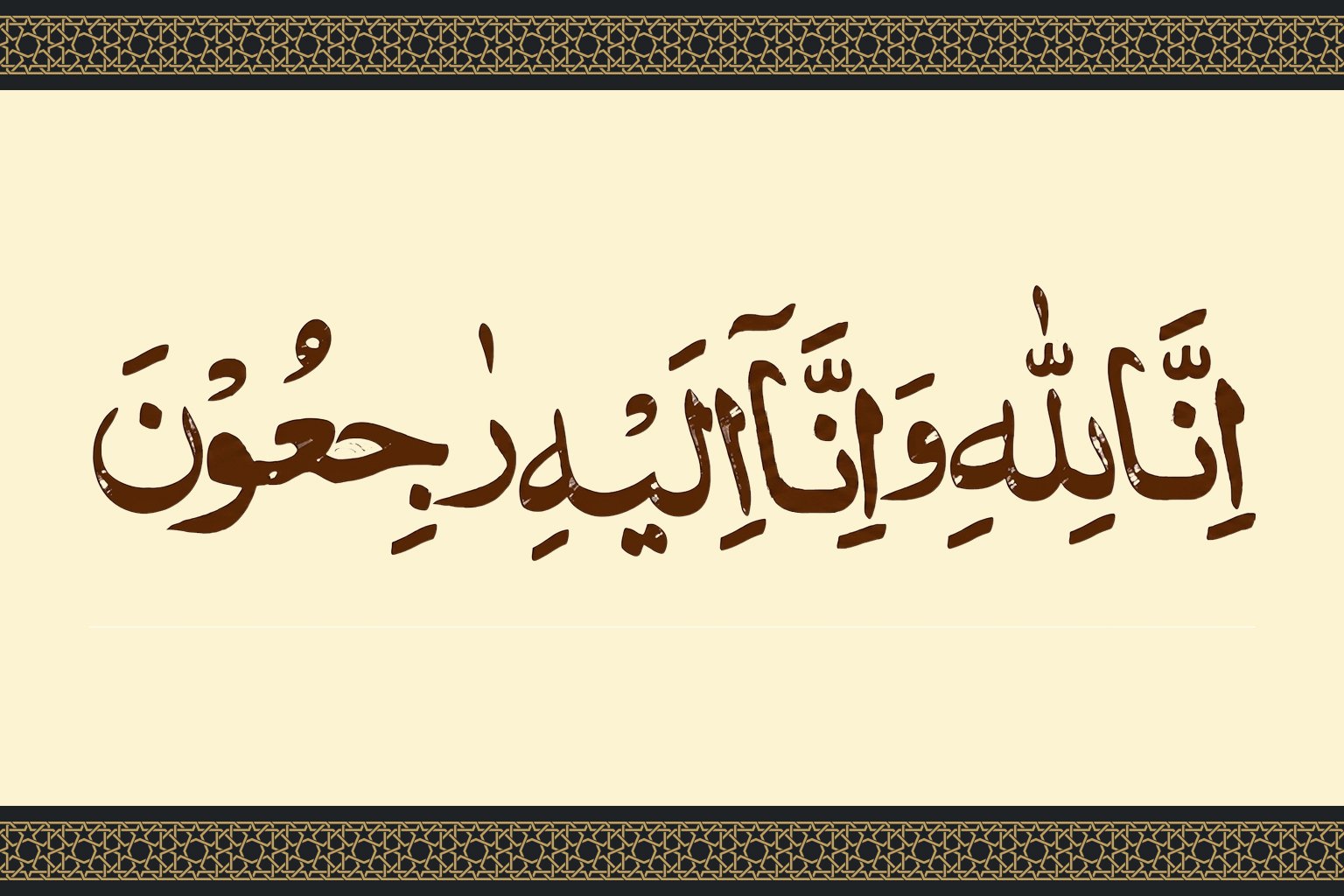
“Inna Lillahi Wa Inna Ilaihi Raji’oon” (إِنَّا لِلَّٰهِ وَإِنَّا إِلَيْهِ رَاجِعُونَ) is a phrase that most Muslims have heard and recited at some point in their lives. It carries a powerful message and brings comfort during difficult moments. People often say it when they hear sad news, experience a loss, or face a challenge that is hard to bear.
The words remind us that everything we have comes from Allah. Our families, our health, our possessions, and even our own lives are blessings given to us by Him. Nothing in this world lasts forever, and one day we will all return to our Creator.
This is a reality that every person must face. No matter where we come from or what we achieve in life, our time in this world is limited. Some people live long lives, while others leave this world much sooner, but death is a journey that every soul will eventually take.
When someone loses a loved one, faces financial problems, struggles with illness, or goes through a painful experience, these words can bring peace to the heart. They remind us that Allah knows what we are going through and that we should turn to Him for strength and patience.
In this article, we will look at the meaning of “Inna Lillahi Wa Inna Ilaihi Raji’oon,” its place in the Quran, the lessons it teaches, and why Muslims recite it during times of hardship and loss.
The phrase “Inna Lillahi Wa Inna Ilaihi Raji’oon” comes directly from the Quran and holds a special place in the hearts of Muslims. It is a simple yet powerful reminder of our relationship with Allah and the reality of life itself.
The meaning of the phrase is:
“Indeed, we belong to Allah, and indeed to Him we will return.”
These words remind us that Allah is our Creator and that everything we have in this world comes from Him. Our lives, families, wealth, and blessings are all gifts from Allah. They also remind us that our time in this world is temporary and that one day every soul will return to its Creator.
Many Muslims recite the Quranic verse “Inna Lillahi Wa Inna Ilaihi Raji’oon” when they hear sad news or face a difficult situation. However, this phrase is much more than a few words spoken during a time of loss. It carries a powerful reminder about our connection with Allah and the temporary nature of this world.
When we say these words, we remind ourselves that everything we have is a blessing from Allah. Our family, health, wealth, and all the blessings in our lives come from Him. We may love these blessings and become attached to them, but nothing lasts long.
Life does not stay the same. People come and go, circumstances change, and nothing in this world lasts forever. No matter how successful, wealthy, or powerful someone becomes, every person will eventually leave this world and return to Allah.
Remembering this reality helps us look at life differently. It encourages us to be grateful for what we have and to trust Allah during both good times and difficult moments.
One of the reasons this phrase brings comfort is that it reminds us that everything happens according to Allah’s wisdom. When we face a loss, disappointment, illness, or any other hardship, these words help us stay patient and place our trust in Him. They remind us that every challenge has a purpose, even if we do not understand it right away.
Phrase Meaning:
The words “Innalillahi Wa Innailaihi Rojiun” are mentioned in the Holy Quran in Surah Al-Baqarah. Allah says:
“Who, when disaster strikes them, say, ‘Indeed we belong to Allah, and indeed to Him we will return.’”
(Surah Al-Baqarah 2:156)
This verse reminds us that everything we have belongs to Allah. Our lives, families, wealth, and possessions are all gifts from Him. One day, every person will return to Allah.
When Muslims face a loss, hear sad news, or go through a difficult time, they recite “Innalillahi Wa Innailaihi Rojiun.” These words help bring peace to the heart and remind us to trust Allah’s plan.
Life is not always easy. Everyone faces problems, sadness, illness, and loss at some point. Islam teaches that these difficulties are tests from Allah.
Instead of becoming angry or losing hope, a believer tries to remain patient and remembers Allah. Saying “Innalillahi Wa Innailaihi Rojiun” is a way of accepting Allah’s decree and showing faith in His wisdom.
Sometimes, a hardship comes into our life and we do not understand why it happened. However, Allah knows what is best for His servants. By reciting this phrase, Muslims acknowledge that Allah is fully aware of every hardship and that His decisions are always based on wisdom.
The Quran praises those who stay patient during difficult times. Allah promises His mercy, blessings, and guidance for people who remain steadfast and continue to trust Him.
This verse teaches us that no matter how painful a situation may be, we should never lose hope. Patience, faith, and remembrance of Allah help us face life’s challenges with strength and confidence.
Many people think that “Innalillahi Wa Innailaihi Rojiun” is only said when someone dies. However, Islam teaches that these words can be recited during any kind of loss, difficulty, or sad situation.
| Situation | Explanation |
| During the Loss of a Loved One | The most common time Muslims recite this phrase is when they hear about the death of a family member, friend, or another person. It reminds them that every soul belongs to Allah and will return to Him. |
| During Personal Hardships | A Muslim can also recite these words when facing illness, financial problems, accidents, or other difficulties. Saying this phrase helps a person stay patient and remember that Allah is always in control. |
| During Times of Sadness and Disappointment | Life does not always go as planned. Losing a job, failing an exam, missing an opportunity, or facing a personal setback can be painful. In such moments, reciting “Innalillahi Wa Innailaihi Rojiun” and performing Sajdah helps bring comfort and peace to the heart. |
| During Any Type of Loss | Not every loss involves death. A person may lose something valuable, experience damage to their property, or go through another difficult situation. Islam encourages believers to remember Allah and remain patient in all circumstances. |
| A Reminder to Trust Allah | By saying “Innalillahi Wa Innailaihi Rojiun,” Muslims remind themselves that everything they have is a trust from Allah. These words encourage patience, strengthen faith, and help believers accept Allah’s decree with a calm and hopeful heart. |
By reciting “Innalillahi Wa Innailaihi Rojiun,” Muslims train themselves to react to hardships with sabr (patience) and trust in Allah rather than anger or hopelessness. It is a reminder that in every test there’s wisdom behind it, and Allah rewards those who remain patient during difficult times.
The phrase “Innalillahi Wa Innailaihi Rojiun” carries a deep and powerful message in Islam. It is much more than a few words recited during times of sadness. These words remind Muslims about the reality of life, the importance of patience, and the need to place complete trust in Allah. Whenever a believer faces a loss, hardship, or unexpected difficulty, this phrase serves as a source of comfort and strength.
Islam teaches that everything in this world belongs to Allah. Our lives, wealth, health, and possessions are all blessings that He has entrusted to us. By saying “Innalillahi Wa Innailaihi Rojiun,” a Muslim acknowledges this truth and remembers that nothing truly belongs to us forever. Everything comes from Allah, and eventually, everything returns to Him.
One of the greatest lessons contained in this phrase is patience. Difficult moments can bring sadness, fear, and frustration. However, Islam encourages believers to respond to hardships with patience rather than despair. Reciting these words helps a person remain calm and reminds them that every trial has a purpose known to Allah.
Life often presents challenges that we do not expect. Sometimes things happen that leave us feeling confused or heartbroken. During such moments, this phrase reminds us that Allah’s wisdom is greater than our understanding. Even when we cannot see the reason behind a difficulty, we trust that Allah knows what is best for us.
These words also remind believers that this worldly life is temporary. Every person will one day return to Allah. Remembering this reality helps Muslims focus on what truly matters and encourages them to prepare for the Hereafter through good deeds, offering Salah, and obedience to Allah.
When a person experiences loss or sadness, reciting “Inna lillahi Wa Inna ilaihi Raji’oon” can bring peace to the heart. It helps shift a person’s focus from the pain of the moment to the mercy and wisdom of Allah. This remembrance can provide emotional comfort and help a believer cope with life’s challenges in a healthy and faithful way.
Saying this phrase is also an expression of faith and submission to Allah’s will. It shows that a believer accepts Allah’s decree and understands that every event in life happens according to His knowledge and wisdom. This attitude strengthens a Muslim’s relationship with Allah and increases their reliance upon Him.
Islam teaches that those who remain patient during times of hardship are rewarded by Allah. By reciting “Innalillahi Wa Innailaihi Rojiun” and responding to difficulties with faith, believers earn spiritual rewards and draw closer to their Creator. These words remind Muslims that every hardship is temporary and that Allah’s mercy, blessings, and guidance are always near for those who remain patient.
Generally, “Inna Lillahi Wa Inna Ilaihi Raji’oon” is recited whenever a Muslim hears about the death of a fellow Muslim. It reminds Muslims that this world is temporary, and every soul will taste death. During this difficult time period, when we lose someone, we should remain patient and trust in Allah’s wisdom.
One of the great benefits of reciting this verse is that it develops sabr. Instead of losing hope or becoming overwhelmed by negativity, Muslims are reminded to turn towards their Creator during difficult times. The phrase provides emotional strength and inner peace even during moments of deep grief.
Muslims may also recite “Inna Lillahi Wa Inna Ilaihi Raji’oon” when they face tragedies, disasters, or unexpected difficulties in life. Whether it is the loss of property, a serious accident, a natural disaster, or any other painful event, these words help believers turn to Allah and seek comfort through faith.
In difficult moments, this phrase reminds Muslims that Allah is fully aware of every hardship they face. Even when a situation seems overwhelming, a believer trusts that Allah’s wisdom is greater than human understanding. Islam teaches that trials are a part of life and that patience during such times brings great reward.
By reciting these words, Muslims strengthen their faith, find peace in Allah’s decree, and remind themselves that every hardship is temporary. They also hold onto the hope that Allah’s mercy, help, and reward await those who remain patient and steadfast.
Some Muslims recite “Inna Lillahi Wa Inna Ilaihi Raji’oon” during moments of personal reflection and remembrance of Allah. These words remind them that their life, health, abilities, and every blessing they enjoy come from Allah alone. It helps a believer reflect on their dependence upon their Creator and become more thankful for His countless blessings.
This phrase also teaches an important reality about life: nothing in this world belongs to us forever. Our wealth, possessions, family members, and even our own lives are entrusted by Allah for a limited time. Remembering this helps a person develop a humble attitude and avoid becoming overly attached to worldly things.
By reflecting on the meaning of these words, Muslims are reminded to be grateful during good times and patient during difficult times. It encourages them to strengthen their relationship with Allah, appreciate His blessings, and prepare for the day when they will return to Him.
Many people have misunderstandings about the phrase “Innalillahi Wa Innailaihi Rojiun.” One of the most common misconceptions is that it should only be recited when someone passes away. While Muslims often say these words after hearing news of a death, their use is not limited to this situation alone.
In Islam, this phrase can be recited whenever a person experiences any type of loss, hardship, disappointment, or difficulty. It may be said during illness, financial struggles, accidents, natural disasters, or other challenging moments in life. The purpose of these words is to remind believers that everything belongs to Allah and that every situation happens according to His wisdom and decree.
Another common misunderstanding is that reciting “Innalillahi Wa Innailaihi Rojiun” means a person should not feel sadness or grief. This is not true. Islam does not ask people to ignore their emotions or pretend that loss does not hurt.
Feeling sad after losing a loved one or going through a difficult situation is completely natural. Even Prophet Muhammad (S.A.W) experienced grief and shed tears when faced with personal loss. His example teaches Muslims that sadness is a normal human emotion.
What Islam discourages is losing hope in Allah, complaining against His decree, or allowing grief to lead to despair. Instead, believers are encouraged to remain patient, make dua, and place their trust in Allah during difficult times.
Some people recite this phrase without thinking about its meaning. However, “Innalillahi Wa Innailaihi Rojiun” is much more than a simple expression. It is a powerful reminder that our lives, families, wealth, and possessions are all blessings from Allah. It also reminds us that one day we will return to Him and be accountable for how we lived our lives.
Islam teaches Muslims how to respond during times of loss. When believers hear bad news, reciting “Innalillahi Wa Innailaihi Rojiun” is the first step toward accepting Allah’s decree and dealing with grief through patience.
Islam encourages Muslims to accept Allah’s decision with faith and make dua for the deceased. It allows sadness but discourages hopelessness.
Islam also teaches Muslims to support each other during difficult times. Prophet Muhammad (S.A.W.) encouraged Muslims to offer condolences, help grieving families with their needs, and comfort them during moments of loss.
“Inna Lillahi Wa Inna Ilaihi Raji’oon” is a powerful Dua in Islam that reminds Muslims of their mortality and the temporary nature of this world. Muslims recite this phrase during moments of grief as a reminder that every soul will return to Allah.
The death of loved ones reminds believers that the journey of this world is short. Understanding the meaning of this phrase and reciting it with sincerity strengthens a person’s spiritual connection with their Creator and increases faith.
