





Register Now
Fill out this form to get a quote within 24 hours.


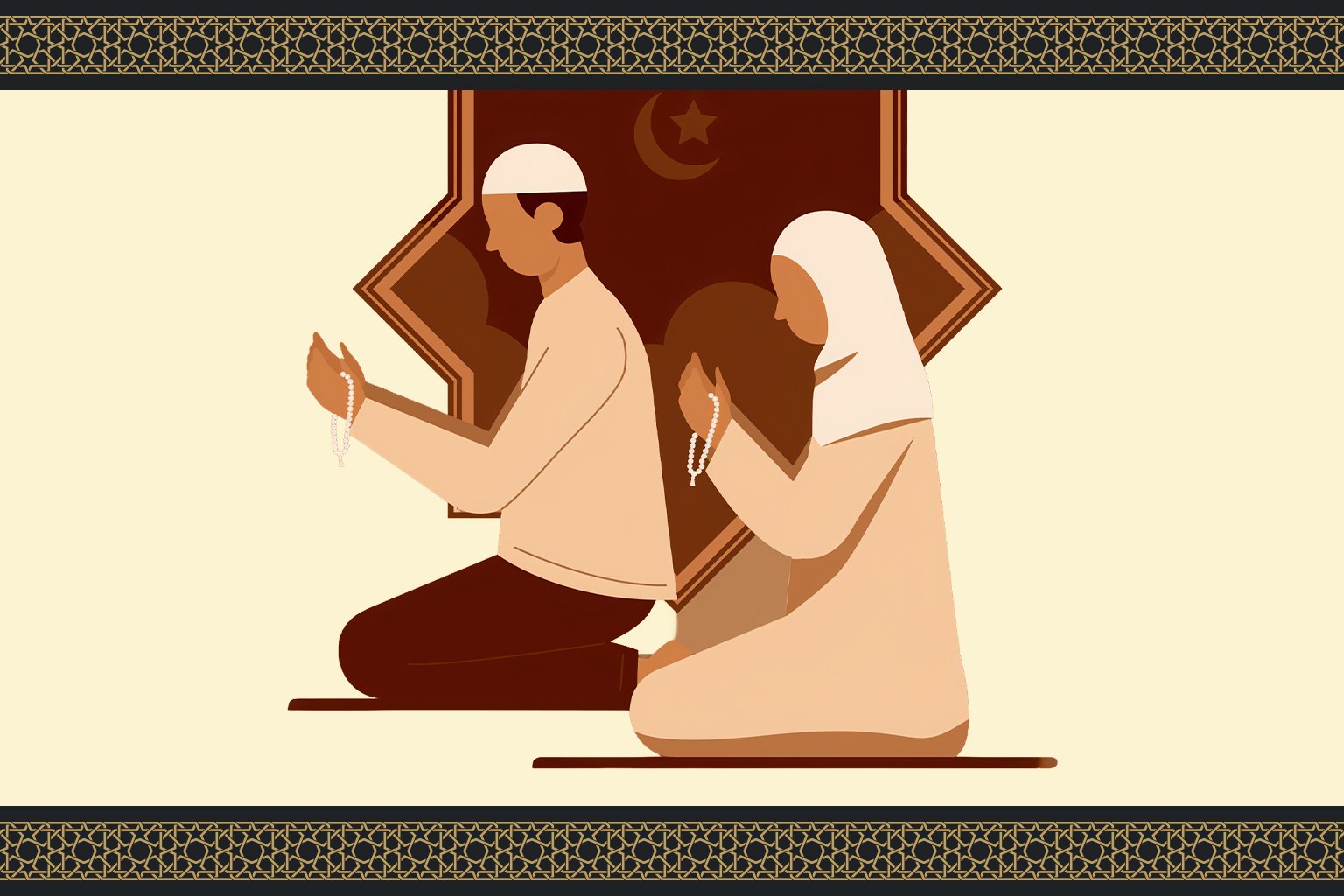
Life can sometimes feel overwhelming. There are moments when a person feels emotionally exhausted, helpless, and unsure of where to turn for comfort. During these difficult times, Muslims find peace in Duaa, turning to Allah with hope and sincerity.
Duaa is not simply about asking for something; it is a beautiful act of worship that strengthens the connection between a believer and their Creator.
In Islam, Duaa holds great importance because it reflects a person’s faith, humility, and trust in Allah’s mercy. Whether someone is going through hardships, searching for guidance, or hoping for relief, Duaa brings comfort to the heart and peace to the soul.
It reminds believers that no matter how difficult life becomes, Allah is always listening. This article explores the meaning and importance of Duaa in Islam, its benefits, proper etiquette, and the powerful impact it can have on a person’s life.
Duaa, also known as supplication, is one of the most important and beautiful acts of worship in Islam. It is a way through which a believer connects directly with Allah without any barrier or middle person.
The word “Duaa” (دعاء) itself means calling upon Allah, seeking His help, and asking for His mercy and guidance in every situation of life. It is not limited to asking for needs only, but it also includes praising Allah, remembering Him, and showing gratitude for His blessings.
In simple words, Duaa is a personal conversation between a believer and Allah. Supplication in Islam is where Muslims speak with full sincerity, hope, and trust that Allah is always listening and responding to them in the best way.
Duaa is a very special way through which a strong and personal connection is created between a person and Allah. It is not like normal communication, but a deep spiritual link where a believer feels close to his Creator at all times.
Muslims believe that Allah listens to every single Duaa, no matter how it is made. It can be spoken loudly, softly whispered, or even kept only in the heart without saying a word. Allah still knows and hears everything.
Through Duaa, a person can express all their inner feelings freely. They can share their worries, fears, hopes, and desires without any hesitation. There is no barrier or distance between the servant and Allah in this moment. A person does not need anyone else to speak on their behalf.
The Prophet Muhammad ﷺ taught us that Duaa holds a very important place in Islam and in a believer’s life. It is not something small or casual but a powerful form of worship that brings a person closer to Allah.
Through Duaa, a person shows that they accept their weakness and depend completely on Allah for everything in life, and it reflects their strong faith and connection with their Creator. Duaa is not only about asking Allah for needs or wishes, but it is also a way of showing true humility and realizing that we cannot do anything without His help.
When a person makes Duaa, they are expressing full trust in Allah’s mercy, wisdom, and perfect timing. It reminds a believer that Allah always knows what is best, even when we do not understand it ourselves. This is why duaa in Islam holds such great importance. However, it is different from Salah, which is also a very important act of worship and is performed in its own specific way.
Salah is the formal prayer in Islam that is performed five times a day by Muslims. It is one of the Five Pillars of Islam and is considered an obligation for every adult Muslim. Salah is performed at fixed times during the day and night, and it includes specific physical actions such as standing, bowing, and prostrating, along with recitation from the Quran. It is a structured act of worship that must be done in a proper way as taught by the Prophet Muhammad ﷺ. Through Salah, Muslims remember Allah regularly, strengthen their faith, and maintain a strong connection with their Creator throughout the day.
Duaa is not the same as Salah, although both are important acts of worship in Islam. Salah is the five daily prayers that are performed in a fixed and proper way, with specific times, actions, and rules that every Muslim must follow. It is an obligation and an important part of a Muslim’s daily routine, which must be done in an organized manner.
On the other hand, Duaa is much more flexible and personal because it can be made at any time of the day or night without any fixed form or structure. A person can make Duaa in any language and with their own words, whether they are happy, sad, worried, or even just quietly remembering Allah.
Duaa is one of the most beautiful things a Muslim can do. It is not just a religious practice but a private conversation between you and Allah. No one else needs to be there. No special permission is needed.
The Holy Quran reminds us again and again that Allah wants us to talk to Him, ask Him, and trust Him completely. The most touching thing about Duaa is that Allah is never far away. He hears you no matter where you are or what time it is. He knows what you are feeling even before you find the words to say it.
In Surah Al-Baqarah, Allah says something that warms every believing heart:
“And when My servants ask you concerning Me, indeed I am near. I respond to the call of the supplicant when he calls upon Me.” (Quran 2:186)
Read that again slowly. Allah says He is near. He says he responds. You don’t need a middleman. You don’t need a perfect place or a perfect moment. You just need a sincere heart. Whether you cry quietly in the dark or raise your hands in desperation, Allah hears every single word.
Then in Surah Ghafir, Allah gives an even simpler and more powerful invitation:
“Call upon Me; I will respond to you.” (Quran 40:60)
Just four words of command and four words of promise. Nothing complicated. Allah is telling us, Come to Me, and I will answer all your prayers. He is not too busy. He is not tired of our requests. He actually wants us to ask Him, because He alone has the power to change any situation in our lives.
The Quran also tells us the stories of prophets who made Duaa when life became unbearably hard for them. Prophet Yunus (AS) was inside the belly of a whale, in complete darkness, with no way out, and he called upon Allah. Prophet Zakariya (AS) was old and had no children, yet he still asked Allah with full hope in his heart. Prophet Ayyub (AS) suffered through years of painful illness, but he never stopped turning to Allah.
Prophet Yunus (AS) found himself in one of the most terrifying situations a human being could ever face. He was swallowed by a massive whale and taken down into the deep ocean, surrounded by complete darkness.
There was darkness inside the belly of the whale, darkness in the depths of the sea, and darkness in the night above the water. Three layers of darkness, with no light, no air, no hope, and no way out.
Any ordinary person would have given up in that moment. But Prophet Yunus (AS) did not despair. Even in that impossible situation, deep in the belly of a creature, at the bottom of the ocean, he turned his heart to Allah and called upon Him. He cried out:
“There is no god except You. Glory be to You. Indeed, I have been among the wrongdoers.” (Quran 21:87)
He did not blame anyone. He did not panic and lose faith. He humbled himself before Allah and made Duaa from the darkest place on earth. And Allah heard him. Allah responded to him. He was released from the whale, brought safely to shore, and given a second chance.
This story teaches us that no situation is ever too dark, too deep, or too hopeless for Allah to reach you. If Allah could hear Yunus (AS) from the bottom of the ocean, He can surely hear you wherever you are right now.
Prophet Zakariya (AS) gave his whole life to Allah. He worshipped, he taught, he served, and he never stopped. But deep inside, there was a pain he carried quietly for years. He had no child. No one to come after him. No one to carry on what he had built. He said:
“My Lord, indeed my bones have weakened and my head has filled with white hair, and I have never been in my prayer to You, my Lord, unhappy. And indeed, I fear the successors after me, so make for me from Yourself an heir.” (Quran 19:4-5)
Prophet Ayyub (AS) was a man who had everything. Wealth, family, health, and a heart full of faith. Then one by one, everything was taken away. His wealth disappeared, his children were gone, and his body was struck with a painful illness that lasted for years and years.
The sickness was so severe that people around him could not even bear to sit near him, and he was left almost completely alone. But through all of that, through every painful day and every long sleepless night, he never once blamed Allah or let bitterness enter his heart. He simply held on, stayed patient, and kept turning back to the One who he knew had the power to heal him. He called upon Allah
“Indeed, adversity has touched me, and You are the Most Merciful of the merciful” (Quran 21:83). Allah responded immediately, restored his health, and returned to him more than he had ever lost.
The Quran teaches us to make Duaa, but the Hadith of Prophet Muhammad (S.A.W) show us how deeply important it really is. The Prophet (S.A.W) taught us how to ask Allah, why we should never give up on Duaa, and why it holds such an important place in a believer’s life.
When you read the Hadith about Duaa, you begin to realize that it is not only for moments of hardship or sadness. Duaa is meant to stay with a Muslim every day, in every situation.
The Prophet (S.A.W) once said:
“Duaa is worship.” (Tirmidhi)
It is a very short Hadith, but its meaning is powerful. Usually, when we think about worship, we think of Salah, fasting, or reciting the Quran. But the Prophet ﷺ taught us that Duaa itself is an act of worship. Why? Because when a person raises their hands and asks Allah for something, they are admitting their need for Him. They are accepting that they cannot manage life on their own. And that feeling of complete dependence on Allah is the heart of worship.
Another beautiful lesson from the Hadith is that Allah loves when His servants continue asking Him. In our daily lives, we often hesitate to repeatedly ask people for help because we fear becoming a burden. But Allah is not like people. No matter how many times you ask Him for the same thing, He never becomes tired of listening. In fact, He loves it when His servant turns back to Him again and again with hope and trust.
So even if you have made the same Duaa many times, never feel embarrassed or hopeless. Keep asking Allah, because every sincere Duaa is precious to Him.
The Prophet ﷺ also explained that every sincere Duaa receives a response from Allah, although the answer may come in different ways. Sometimes Allah grants exactly what a person asks for. Or sometimes, he delays it because a better time has been written for them. And sometimes, instead of giving that exact thing, Allah removes a difficulty or harm that would have reached them.
When the companions heard this, they happily said that they would continue making more and more Duaa. The Prophet ﷺ replied that Allah gives even more than that.
This is what makes Duaa so comforting and special. No sincere prayer is ever wasted. Every word spoken to Allah is heard. Every request is known to Him, and every Duaa is answered in the way that is best for us, even when we may not understand it at the time.
Dua is the most beneficial tool for muslims to seek guidance, forgiveness, and blessings. The supplication in Islam is not just about asking for your needs, but it goes beyond this. It helps strengthen faith and find peace in your life’s problems. A sincere dua makes a direct connection between a believer and Allah, and muslims experience countless benefits.
One of the main benefits of making Dua is reinforcing muslim’s faith. When muslims perform Sajdah or make dua in times of happiness and hardships, they develop a sense of trust in His wisdom. It reminds the believer that everything is happening according to Allah’s plan, and He alone is capable of doing anything impossible possible.
The benefits of supplication are the importance of Dua in Islam that brings peace to the heart. When a believer sincerely prays, they get strongly connected with their Creator and feel a sense of relief knowing everything is in Allah’s hands. Dua helps reduce anxiety, stress, and give emotional comfort to Muslims by letting go of their worries and placing their trust in Allah’s divine plan
Another essential part of making Dua is believer’s seek forgiveness from Allah for their wrong deeds. In the Quran, Allah encourages Muslims to repent and ask for forgiveness
“And seek forgiveness of your Lord and turn to Him in repentance.” (Quran 11:3)
By seeking forgiveness through Dua, Muslims clean their heart, reinforce their relationship with Allah, and earn His mercy and blessings.
Another important aspect of making Dua is seeking protection from harm, both physically and spiritually. Hazrat Muhammad (S.A.W) makes dua regularly for the protection against an evil eye, illness, and any misfortune. Islamic Dua’s ensure that a believer is under Allah’s protection and safe from unseen dangers.
Duaa can also change destiny, which shows how important it is in Islam. The Prophet Muhammad (S.A.W) said:
“Nothing changes the Divine decree except Dua.” (Tirmidhi).
It is well-known that everything happens by the will of Allah, not even a single leaf can move without His permission. A sincere prayer to Allah can bring positive changes in a person’s life, remove hardships, and provide comfort in difficult times.
Read Islamic courses and learn some important Dua’s in Islam that play a crucial role in bringing success and barakah in a believer’s life. Whether you are stressed in your personal matter, or worried about your education or job, making Dua regularly brings Allah’s blessings. Whenever you are in need of advice, seek help from Him in taking your important decision to ensure that you follow the right path.
The best time is mentioned in the table below when Duaa is more likely to be acceptable in Islam:
| Time / Situation | Description |
| Last Third of the Night (Tahajjud time) | This is one of the most beautiful and powerful times for making Duaa. Allah descends to the lowest heaven and listens to people’s problems who call upon Him with sincerity. It’s been said that praying at Tahajjud time not only gives a sense of relief and comfort in the heart, but that wish also gets fulfilled. |
| During Sujood (Prostration in Salah) | It is mentioned in the Quran and as per Hadith, muslim is very close to Allah in Sujood. That is the best and correct time to make dua. |
| Between Adhan and Iqamah | Dua made between Adhan and Iqamah is known to be highly valued. |
| After Obligatory Prayers | After completing your Salah, it is mandatory to make Dua. A peaceful moment for the believers to connect with Allah and share all their worries with Him. |
| On Friday | There is a special time on Jummah Day when prayers are accepted. But sadly, the exact timing is still unknown. So, it is best to remember Allah as much as possible throughout the day and learn quran. |
| While fasting (especially before breaking fast) | A person should make dua at Iftaar time before breaking his fast, that time is highly acceptable by Allah. |
| At the Time of Rainfall | A person should make a dua during rain as it is a mercy from Allah and it carries special acceptance at that time. |
| In Times of Oppression or Difficulty | When someone is oppressed, their duaa goes straight to Allah without any obstruction. |
Learning the Etiquettes of making Dua increases the focus of the supplication.
Duaas are the source of protection, peace, and guidance in everyday’s life for every muslim to learn. Islam teaches us to stay connected with Allah in every situation. Below are mentioned some powerful Duaas:
| Situation | Dua (Arabic) | Meaning / Purpose |
| Before Eating | بِسْمِ اللهِ وَعَلَى بَرَكَةِ الله | “In the name of Allah and with the blessings of Allah.” (Start eating with Allah’s name) |
| After Eating | اَلْحَمْدُ لِلّٰهِ الَّذِي أَطْعَمَنَا وَسَقَانَا | “All praise is for Allah who fed us and gave us drink.” (Gratitude after meal) |
| Before Sleeping | بِاسْمِكَ اللّٰهُمَّ أَمُوتُ وَأَحْيَا | “In Your name, O Allah, I die and I live.” (Protection during sleep) |
| After Waking Up | اَلْحَمْدُ لِلّٰهِ الَّذِي أَحْيَانَا | “All praise is for Allah who gave us life after death (sleep).” |
| Leaving Home | بِسْمِ اللهِ تَوَكَّلْتُ عَلَى الله | “In the name of Allah, I place my trust in Allah.” (Protection outside) |
| Entering Home | بِسْمِ اللهِ وَلَجْنَا وَبِسْمِ اللهِ خَرَجْنَا | “In the name of Allah we enter and in His name we leave.” |
| Before Studying / Work | رَبِّ زِدْنِي عِلْمًا | “My Lord, increase me in knowledge.” (Success in learning & work) |
| For Protection (Morning/Evening) | أَعُوذُ بِكَلِمَاتِ اللهِ التَّامَّاتِ | “I seek protection in the perfect words of Allah.” |
| When Feeling Sad / Stressed | حَسْبِيَ اللهُ لَا إِلٰهَ إِلَّا هُوَ | “Allah is sufficient for me; there is no god but Him.” |
| Seeking Forgiveness | أَسْتَغْفِرُ اللهَ رَبِّي | “I seek forgiveness from Allah, my Lord.” |
| Strength and Patience | رَبِّ اشْرَحْ لِي صَدْرِي | “O my Lord, expand for me my chest” |
| Protection from Evil | أَعُوذُ بِاللهِ مِنَ الشَّيْطَانِ الرَّجِيمِ | “I seek refuge with Allah from the accursed devil “ |
| Dua for Guidance | اللّهُـمَّ أَهْـدِنـي وصَـلِّبْني | “O Allah, guide me and make my footing firm” |
| Dua for Strength | اللّهُـمَّ إني أعُـوذ بِـكَ مِنْ جَـهْدِ البَـلاء وَدَرَكِ الشَقَـاء | “O Allah, I seek refuge in You from the hardship of miscellaneous, from reaching misery” |
| Dua for Patience | رَبِّ اجْعَلْنِي مِمَّنْ تَصْبِرُونَ عَلَى بَلَائِهِ | “My Lord, make me among those who endure Your trials with patience “ |
Duaa is a powerful gift from Allah that connects a believer directly with Him without any barrier. It brings calmness to the heart, strengthens faith, and serves as a source of forgiveness and guidance. Sometimes Duaas are not accepted immediately, but a true believer should trust Allah’s wisdom and perfect timing. Regularly making duaa deepens the person’s relationship with His Creator and fills his life with peace. No sincere prayer is ever ignored, as Allah knows what is best for his servants.
